Vaayubon biochar carbon removal logo

Biochar carbon removal · Andhra Pradesh, India

Turning India's farm waste into permanent, verified carbon removal.

Scroll to begin
The journey to the field
THE EARTH
INDIA
ANDHRA PRADESH
ANANTAPUR DISTRICT · 14.68° N, 77.60° E

It starts with the ground

Every credit we issue begins on a real farm, in real soil. Scroll to fly to where the work happens.

India

100 million tonnes of crop residue are burned here every year. The largest unpriced carbon stream on Earth.

Andhra Pradesh

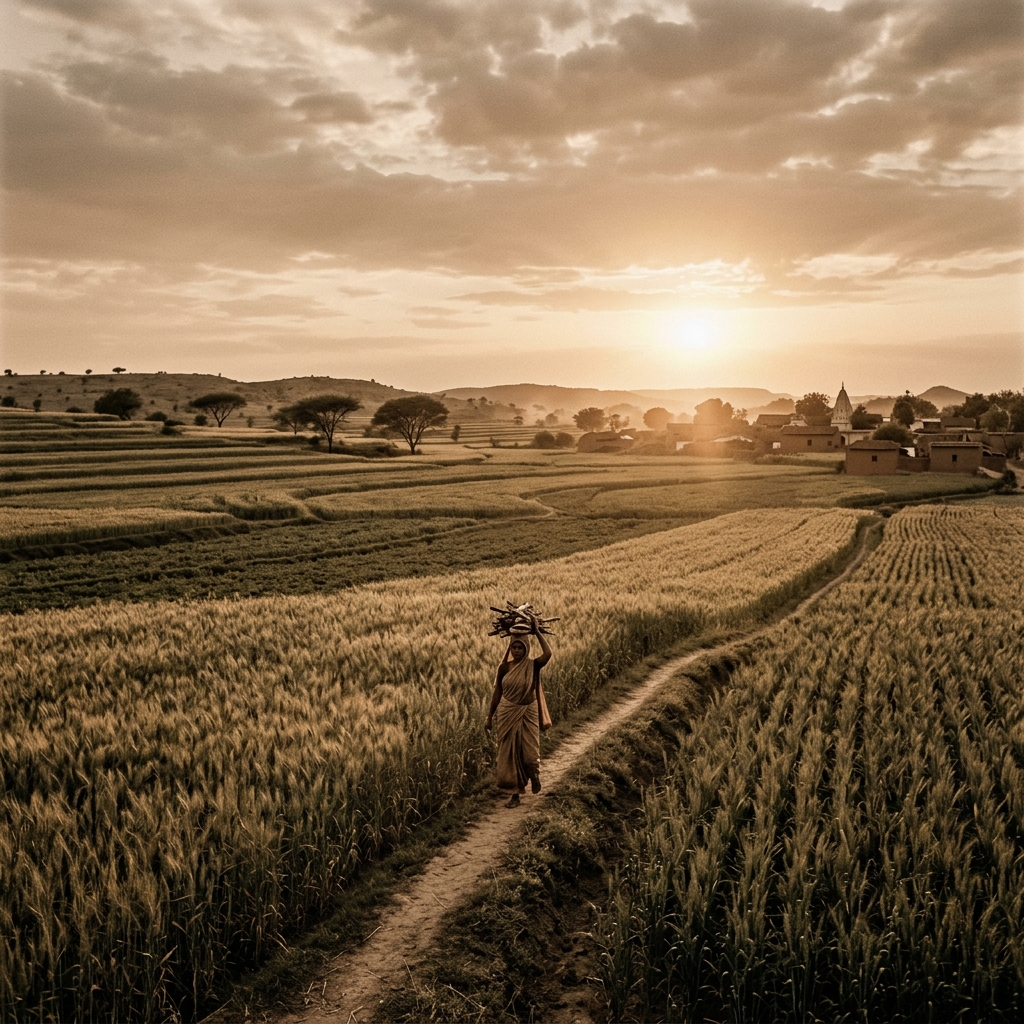
The Rayalaseema belt. Groundnut and rice country: drought prone, residue rich, and ready for a market.

Anantapur

Ground zero for Vaayubon. Here, farm waste becomes permanent carbon removal, and fires become income.

100M tonnes of residue burned annually$13.6B in carbon value destroyed1,000+ year carbon permanenceTRL 7-8 proven pyrolysis120+ pilot farmers100M tonnes of residue burned annually$13.6B in carbon value destroyed1,000+ year carbon permanenceTRL 7-8 proven pyrolysis120+ pilot farmers
The thesis

We turn the fires of crop waste into permanent, verifiable carbon removal. One field, one farmer, one tonne at a time.

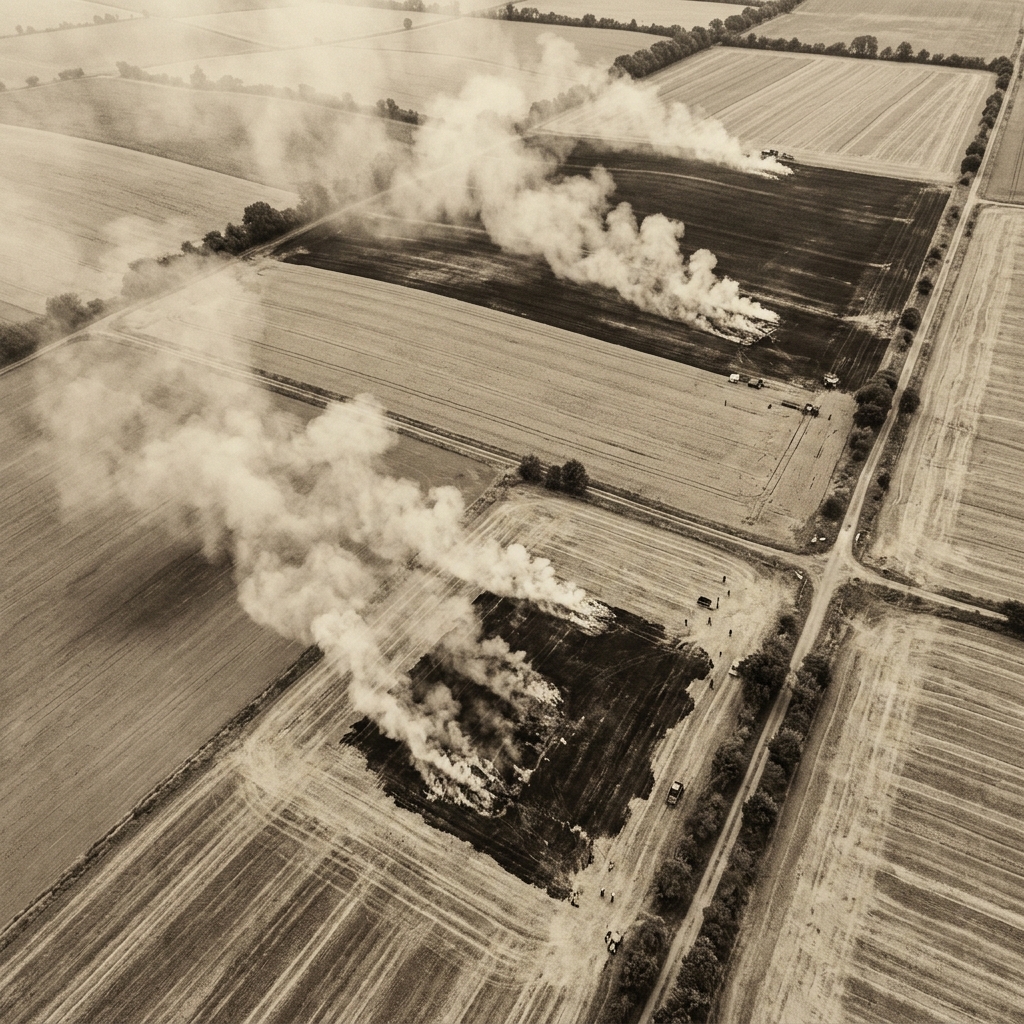
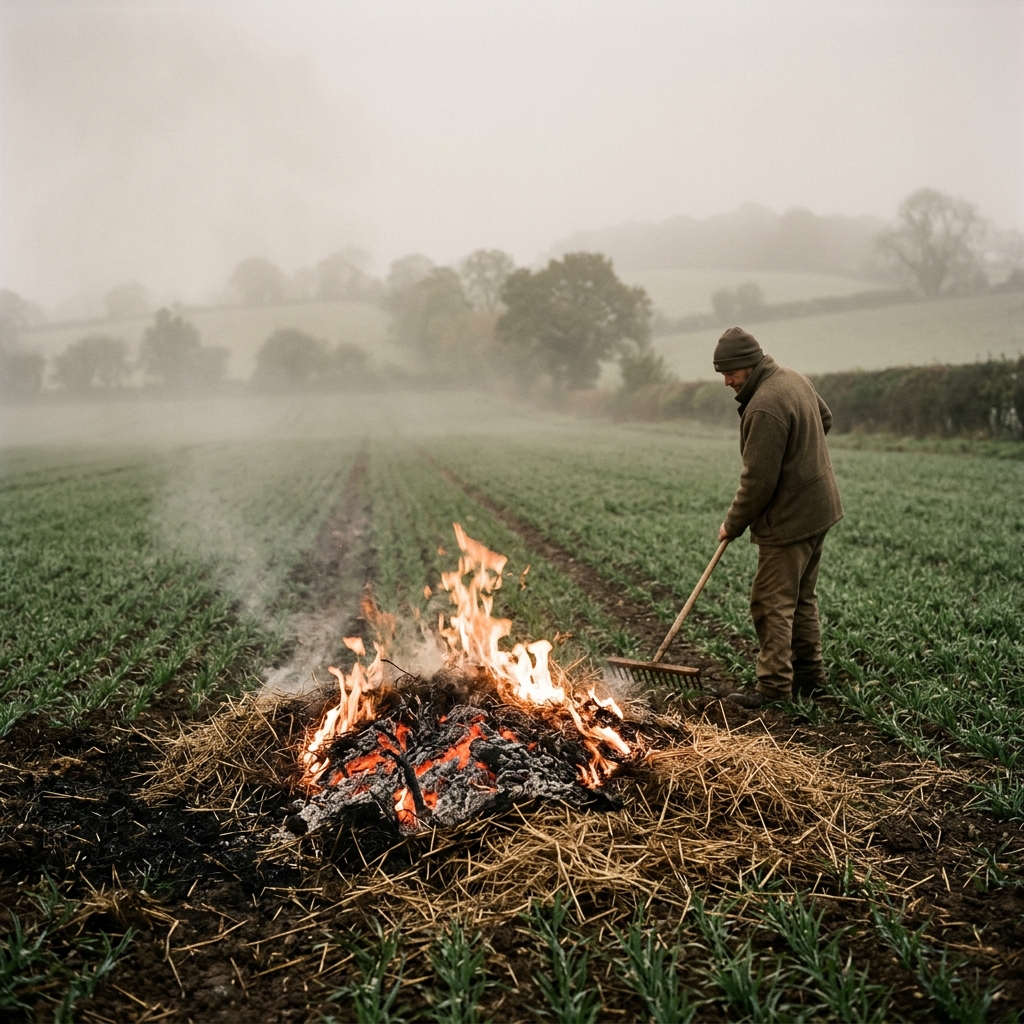
Agricultural crop residue burning causing pollution in India
Chapter 01 · The Problem

Every year, India burns $13.6 billion worth of carbon.

01 / 03

Zero value, zero choice

For a smallholder farmer, crop residue has no disposal cost and no revenue. Burning it is free.

02 / 03

The fires

So millions of tonnes burn across the Rayalaseema belt every season. Each fire destroys a feedstock asset, degrades soil, and pollutes the air.

03 / 03

A market failure

This is not negligence. It is rational behavior in the absence of a market. Vaayubon exists to build that market.

100M
Tonnes burnedCrop residue burned in India every year
$13.6B
Value destroyedPotential carbon credit value lost to the fires
1000+
Year permanenceCarbon locked in stable form, far beyond forests
120+
Pilot farmersAlready active on the ground with Vaayubon
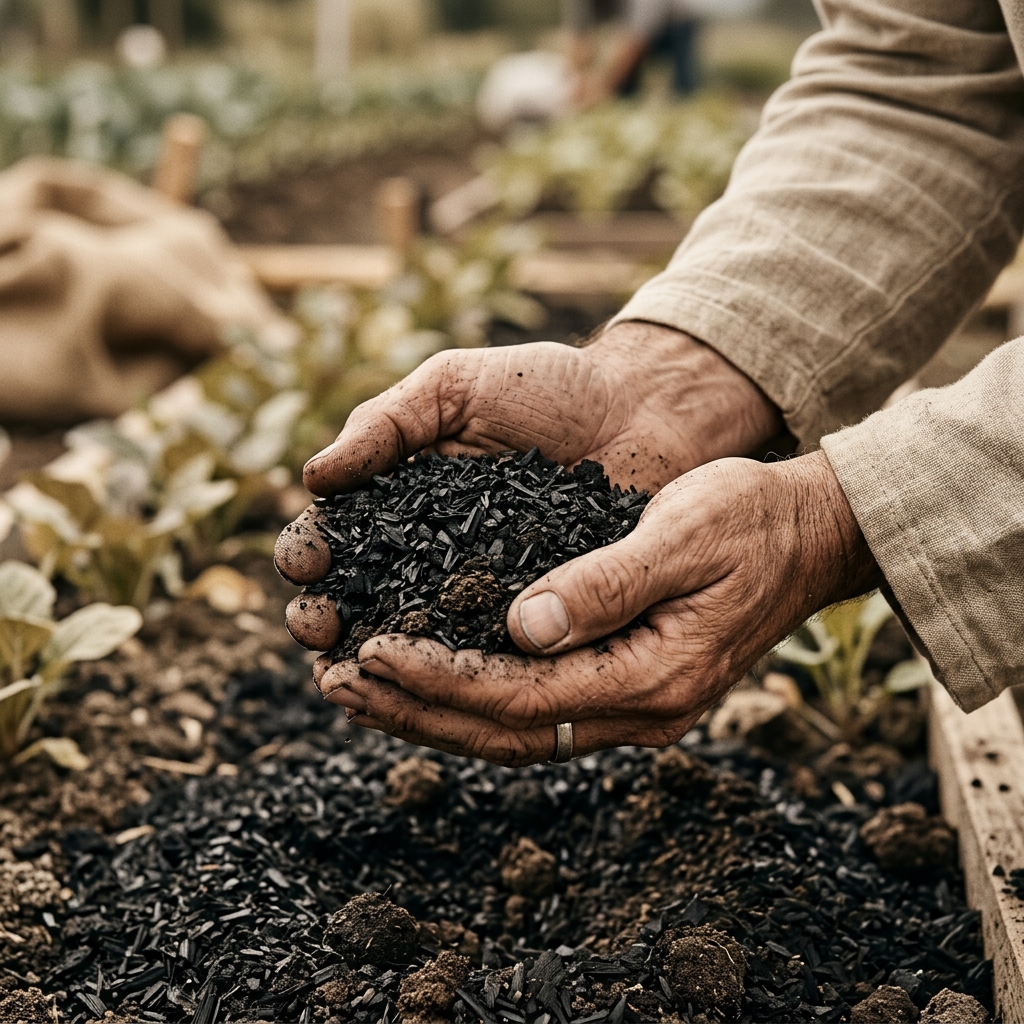
High quality biochar produced from agricultural waste for carbon removal
Chapter 02 · The Solution

We turn that fire into certified carbon credits.

01 / 03

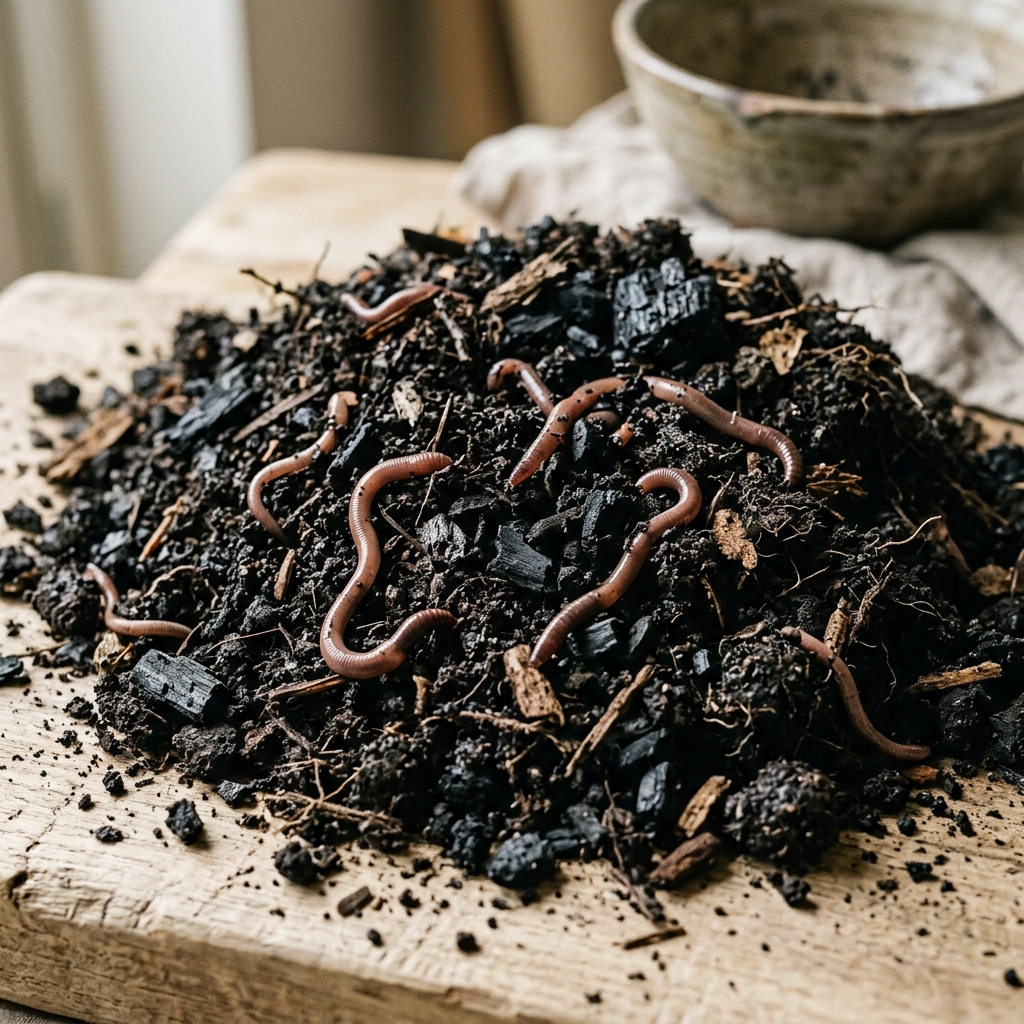
Biochar

Charred biomass that locks carbon in a stable form for over a millennium. Permanence that forests cannot promise.

02 / 03

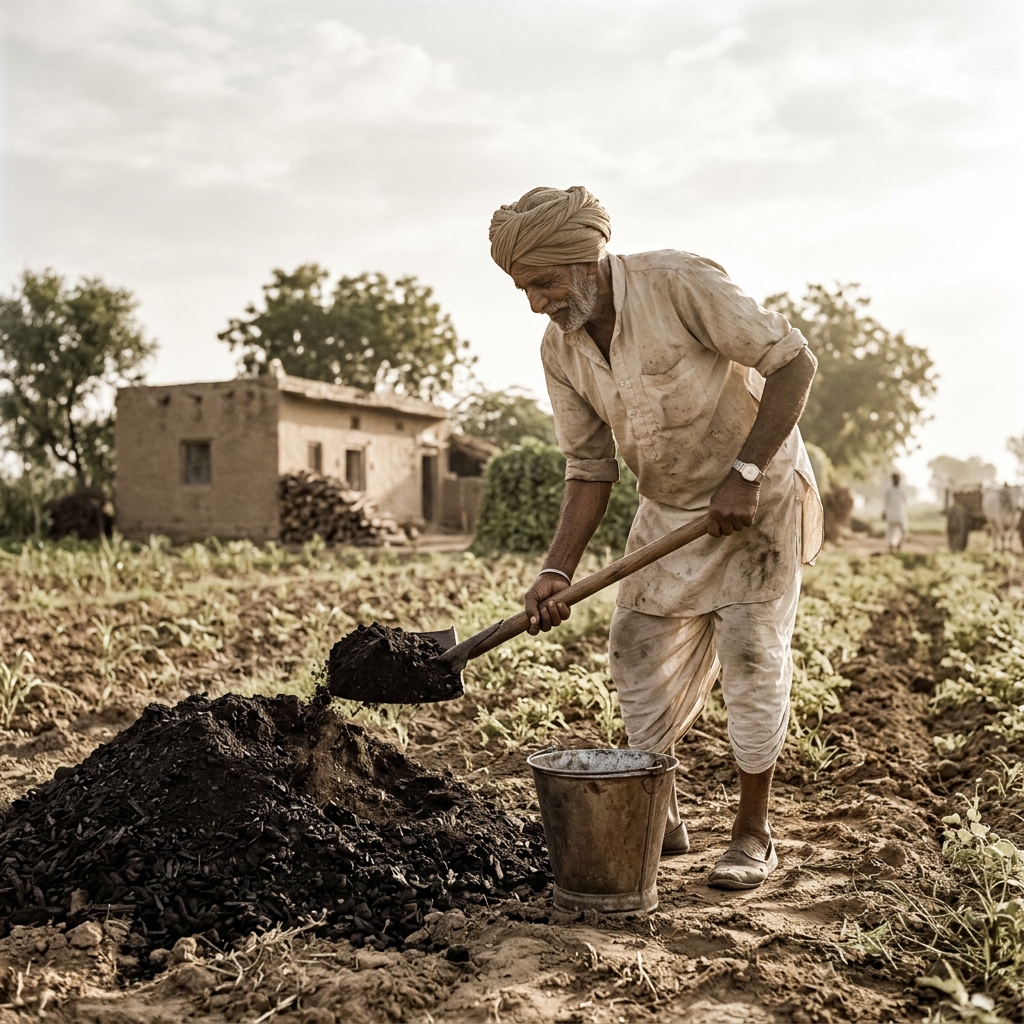
Back to the soil

The same char returns fertility and water retention to the fields the residue came from.

03 / 03

Two winners

Institutional buyers get verified, high durability removal. Farmers get a new income stream. The fires stop.

Collecting crop residue from farms in Andhra Pradesh
Continuous pyrolysis machinery processing biomass
Biochar applied to soil to improve crop yield and sequester carbon
Indian farmer partner benefiting from biochar application
Chapter 03 · The Process

From field, to flame, to permanence.

01 / 04

01 · Collect

Rice straw and groundnut shells, gathered at zero cost from partner farms across the belt.

02 / 04

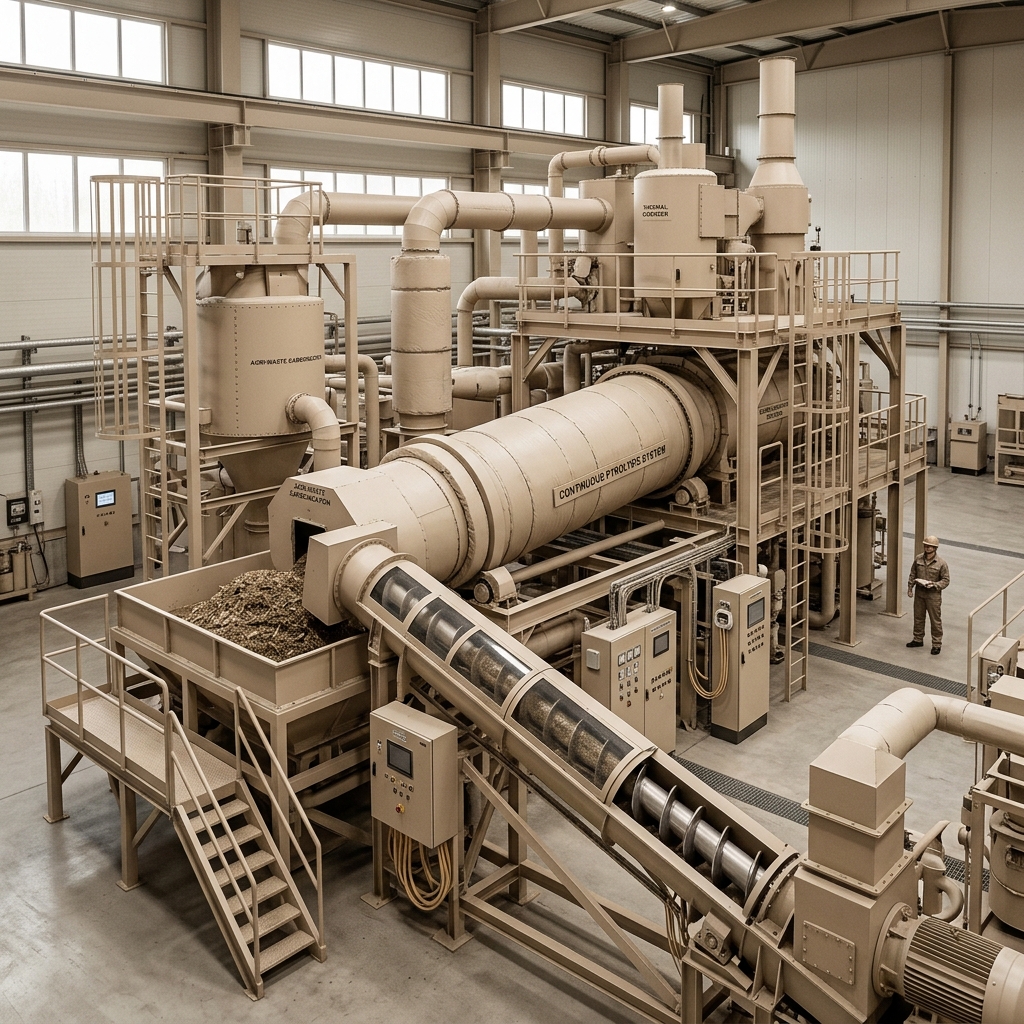
02 · Pyrolyze

Thermal decomposition at 400-700°C in a low oxygen chamber. No burning, no smoke, no loss.

03 / 04

03 · Lock

Half of the biomass carbon becomes stable char, sequestered for a thousand years or more.

04 / 04

04 · Return

Subsidized biochar goes back to partner farms, lifting crop yields by 15-30%. Every tonne is digitally measured, reported, and verified.

The Pyrolysis Engine

Commercially mature technology operating at TRL 7-8: thermal decomposition of organic biomass at 400-700°C in a low-oxygen environment.

Our innovation is the end-to-end supply chain, from farmer logistics to fully digital Monitoring, Reporting, and Verification.

Continuous pyrolysis machinery
The machinery
The chain, end to end
/ 01

Strategic feedstock

Five primary feedstock streams analyzed across the Rayalaseema belt. Rice straw and groundnut shells lead the MVP: high volume, zero cost, high biochar yield.

/ 02

Scale-up feedstock

Cotton stalks, widespread and high in lignin, are earmarked for the Year 2 scale-up.

/ 03

Wood vinegar

A natural pesticide and growth stimulant for India’s organic farming segment, and a high-value co-product.

/ 04

Syngas loop

Non-condensable gases are recirculated to fuel the process itself, cutting operational energy costs by 20-30%.

/ 05

Verified removal

Digital MRV closes the loop: every tonne measured, reported, and certified for institutional buyers.

Keep scrolling
Indian farmer partner benefiting from biochar application
Chapter 04 · The Market

Built to scale. Defensible by design.

01 / 03

Three revenue streams

Verified carbon credits at $136 per tonne, physical biochar sales, and high-margin pyrolysis co-products.

02 / 03

Institutional grade

Dual certification through Puro.earth and Verra VCS, in a carbon removal market projected to reach $25B by 2029.

03 / 03

Four moats

Zero-cost feedstock, government integration, end-to-end digital MRV, and a 12 to 18 month first-mover head-start.

Three revenue streams

Verified carbon credits

Forward offtake contracts with corporate buyers at a conservative blended rate of $136 per tonne, in a CDR market projected to reach $25B by 2029.

Physical biochar sales

Subsidized biochar applied back to partner farms, improving crop yields by 15-30% and adding $150 per year to household income.

Pyrolysis co-products

Wood vinegar and syngas generate high-margin incremental revenue at scale, supporting 32% net margins.

Rigorous certification

Dual certification through the world’s leading registries, for institutional-grade credibility.

Puro.earth

Track initiated with an engaged India-based auditor.

Verra VCS

Project Description preparation actively underway.

Four competitive moats
/ 01

Zero-cost feedstock

Competitors purchase biomass. Our farmer-as-partner model receives residue freely, in exchange for subsidized biochar.

/ 02

Government integration

AP Government rural channel partnerships grant verified extension services and a massive smallholder network.

/ 03

End-to-end MRV

Owning the full digital verification chain bypasses the third-party MRV fees that erode competitors’ margins.

/ 04

First-mover advantage

A 12 to 18 month head-start in the under-served Rayalaseema belt before credible geographic competition emerges.

Vaayubon founders at a facility in Nandyal
Chapter 05 · The Story

From Nandyal to net-zero.

01 / 03

Roots

Born from deep agricultural roots in Nandyal, Andhra Pradesh, and incubated at the IE Climate Tech Lab 2026. We watched the fires firsthand.

02 / 03

The insight

Countless interviews with farmers, officials, and buyers taught us one thing: income reliability is paramount. That insight is the bedrock of Vaayubon.

03 / 03

The team

Founded by Srihas Vunnam, Manu Muralee, and Akarshith Reddy. Backed by 120+ pilot farmers, and inviting the world to build India’s carbon future.